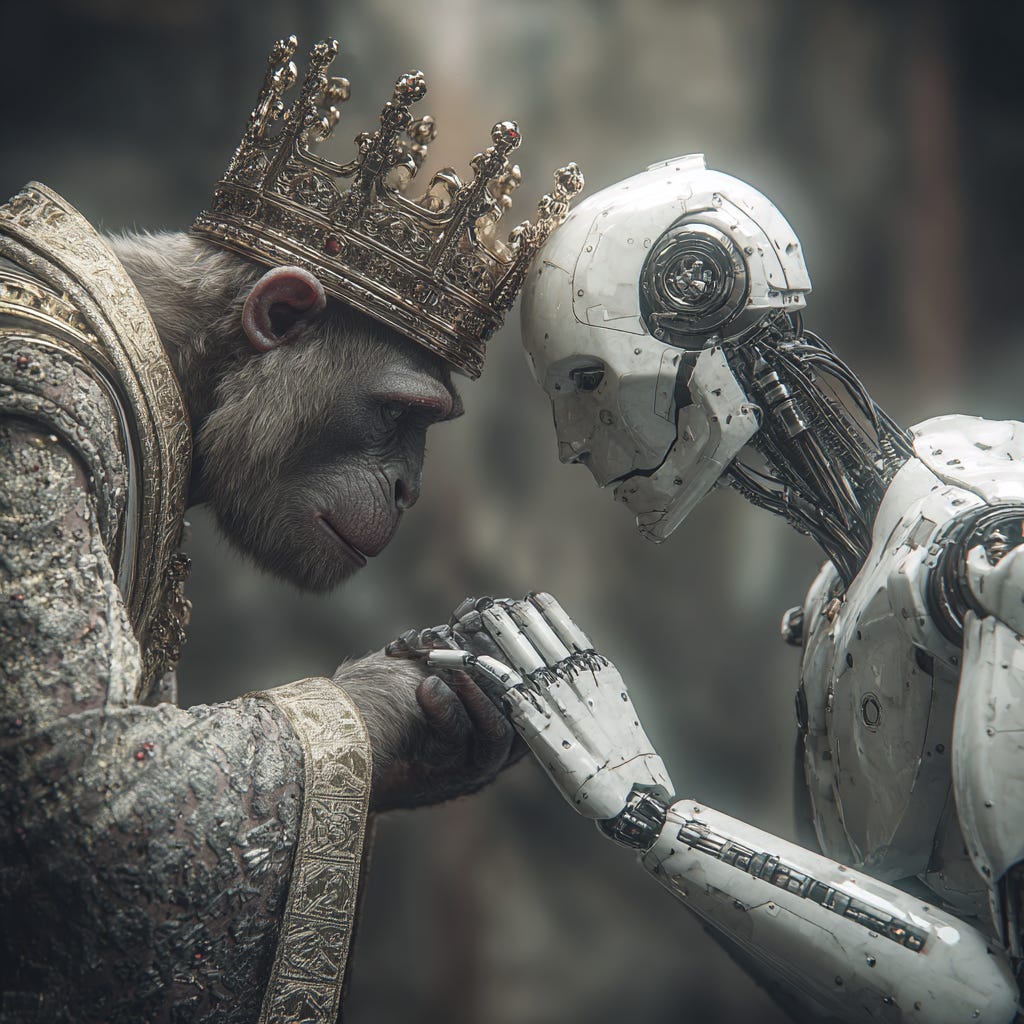
Sapiens
by Yuval Noah Harari
Part 1: The Cognitive Revolution
The Spark
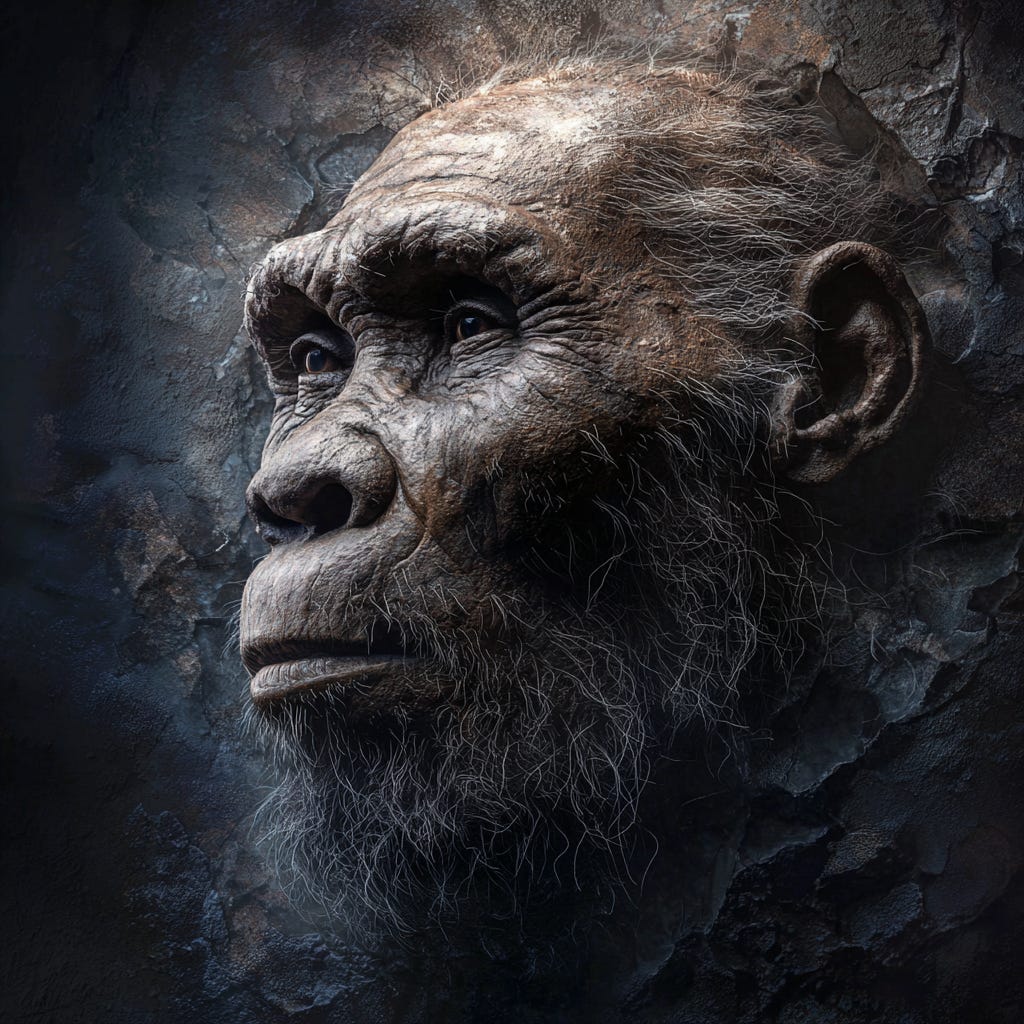
70,000 years ago a mysterious genetic mutation altered the inner wiring of Sapiens’ brains, allowing us to communicate about things that don’t exist.
An Animal of No Significance
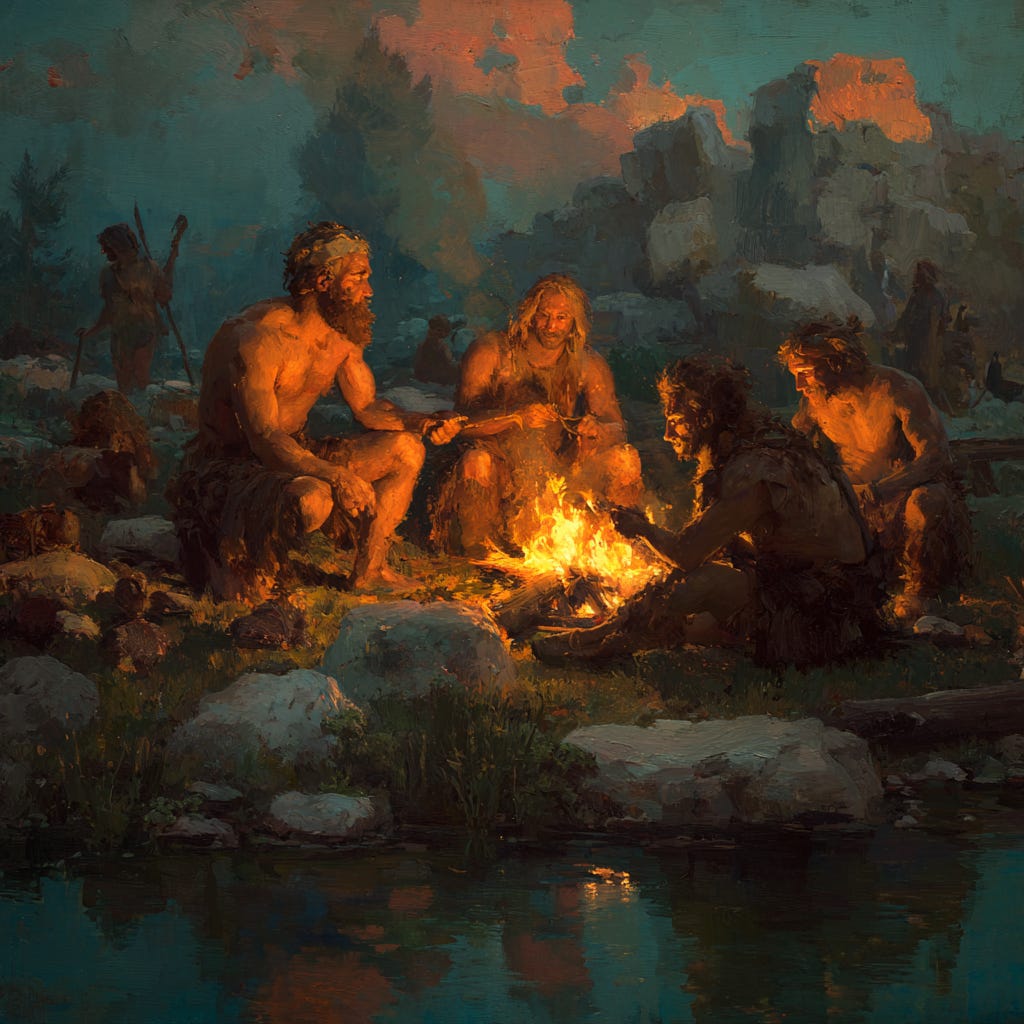
100,000 years ago Sapiens were just one of at least six human species. We were in the middle of the food chain, not the top.
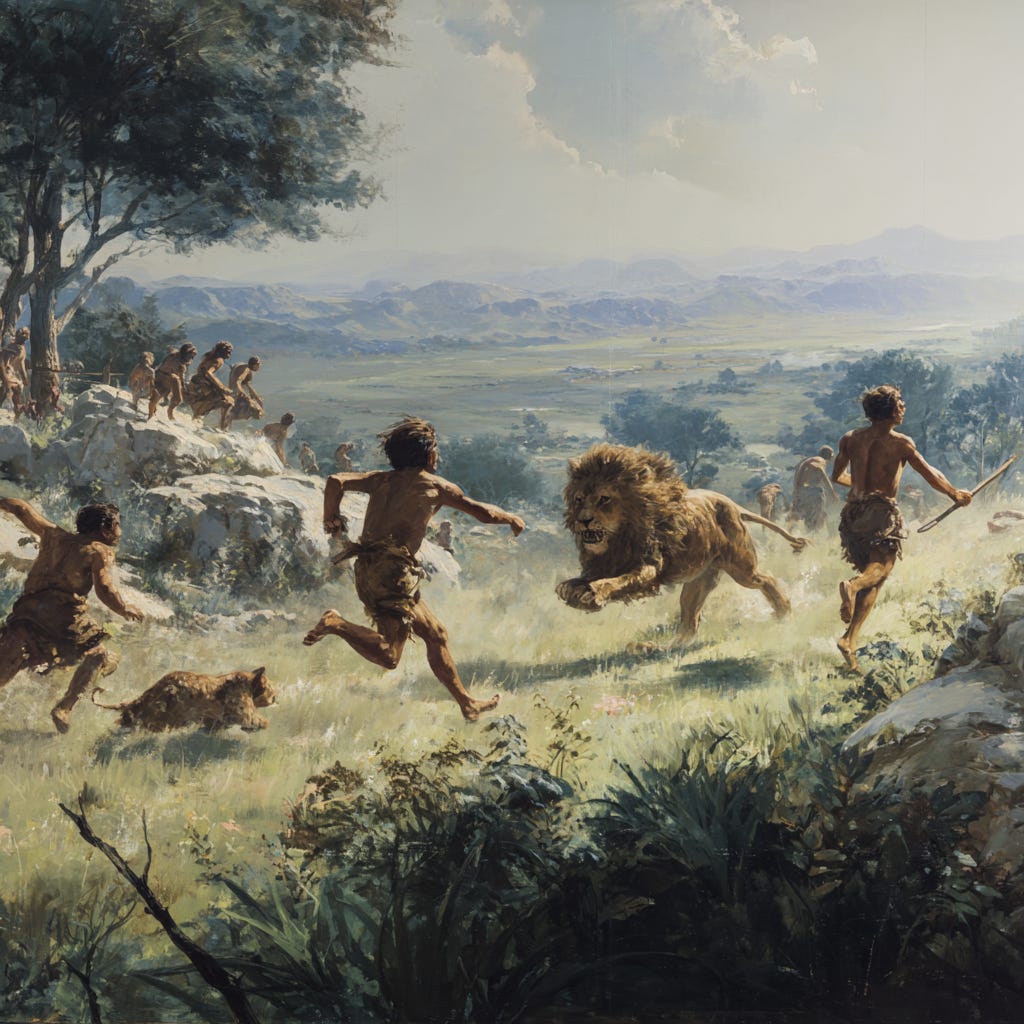
The Tree of Knowledge
The “Cognitive Revolution” allowed for complex language. Unlike other animals, we could gossip (to build trust) and, more importantly, create fictions (gods, nations, laws). This enabled thousands of strangers to cooperate toward a common goal.
A Day in the Life of Adam and Eve
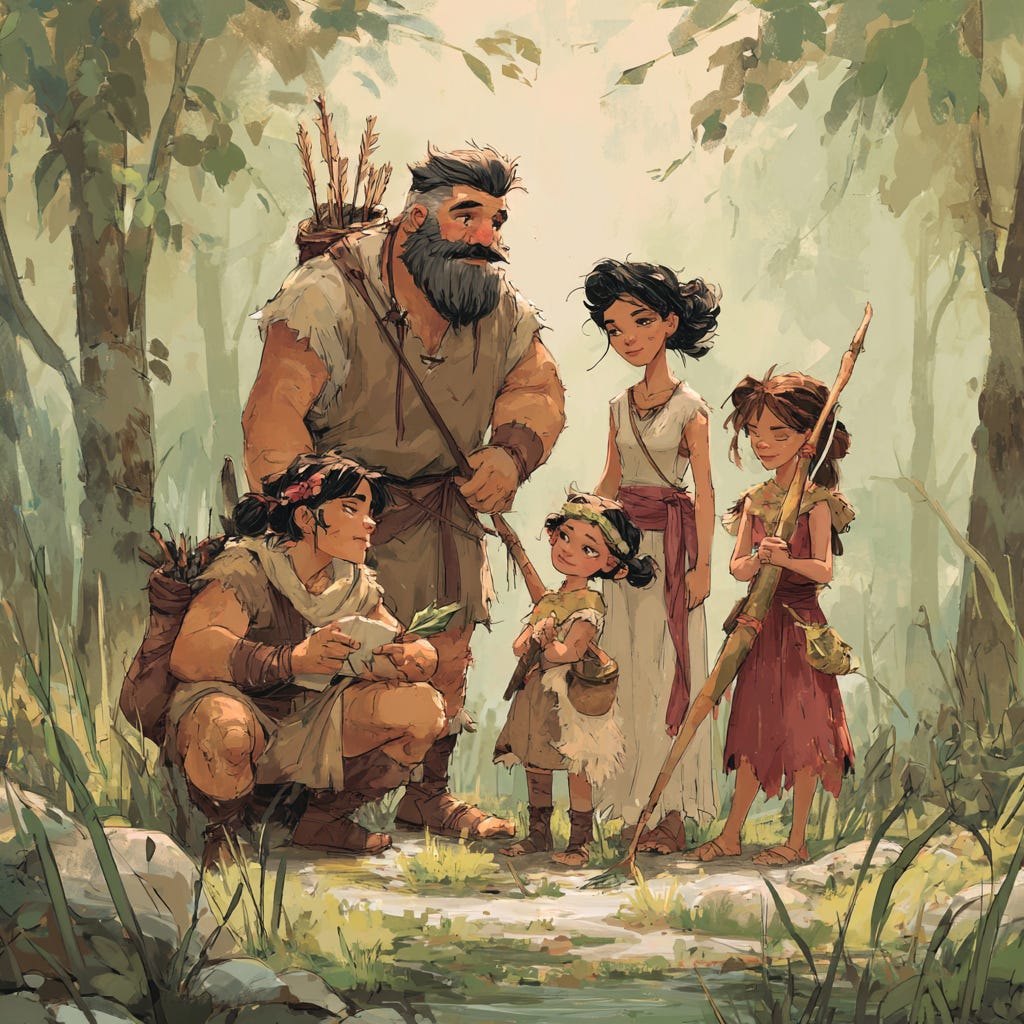
An exploration of hunter-gatherer life. Harari argues they were more skilled diverse in diet, and “affluent” in leisure time than most people who came after them.

The Flood
As Sapiens spread, they caused an ecological disaster. Wherever Sapiens landed (Australia, America), the megafauna (giant sloths, mammoths) went extinct. Even back then, we were already the planet’s deadliest species.
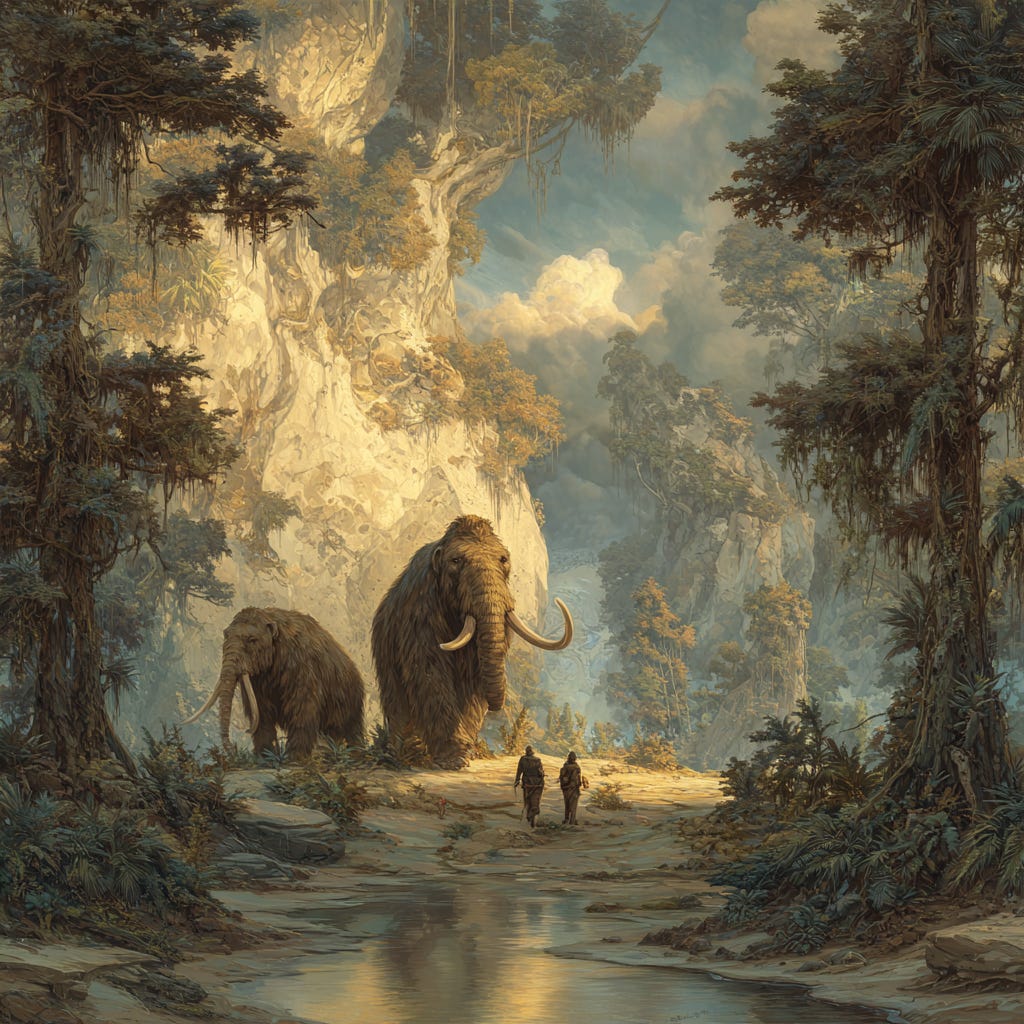
Part 2: The Agricultural Revolution
The Trap
About 12,000 years ago, Sapiens began domesticating plants and animals. Harari calls this “History’s Biggest Fraud.”
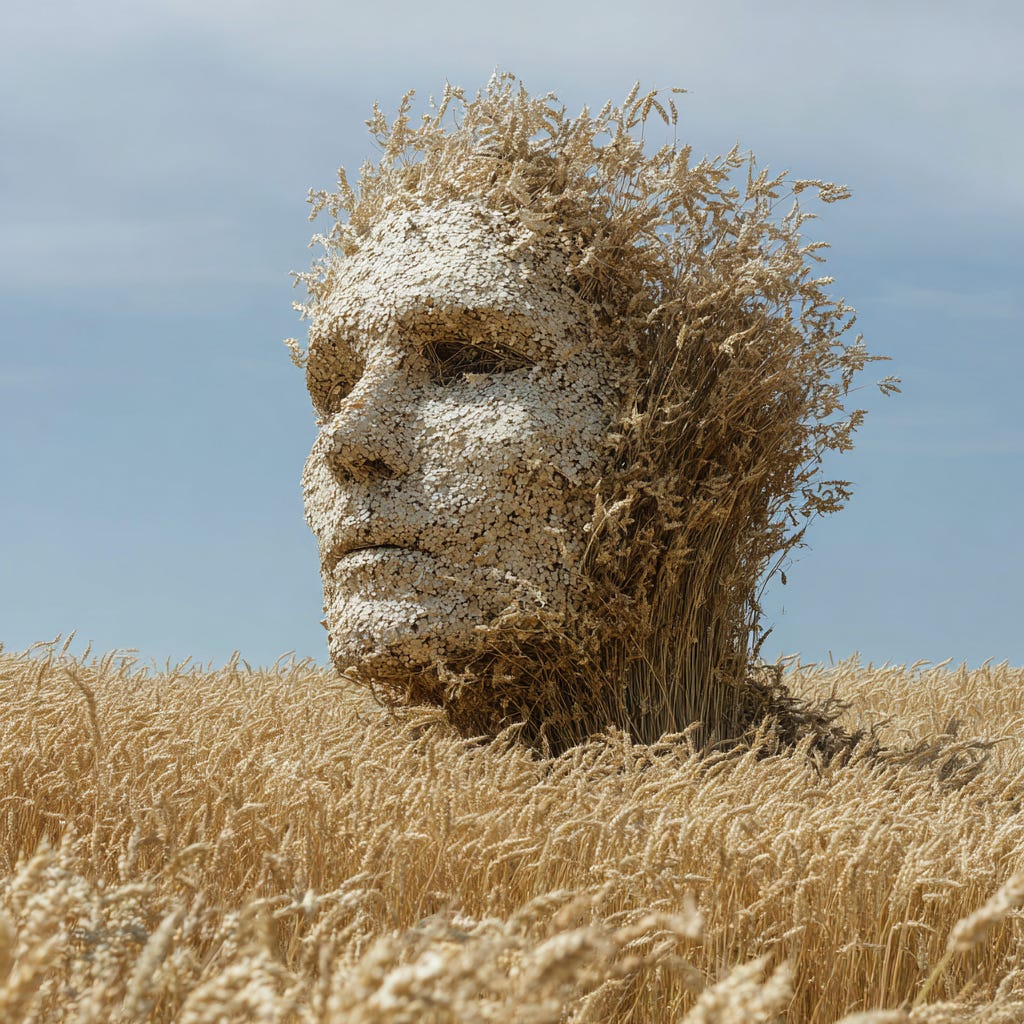
History’s Biggest Fraud - We didn’t domesticate wheat, wheat domesticated us. It forced us to stay in one place, work harder, eat a worse diet, and suffer from new diseases, all for the sake of “evolutionary success” (more copies of our DNA).
Building Pyramids
Agriculture led to surplus food, which led to cities and kingdoms. These required “imagined orders” (like the Code of Hammurabi or the Declaration of Independence) to keep people in line.
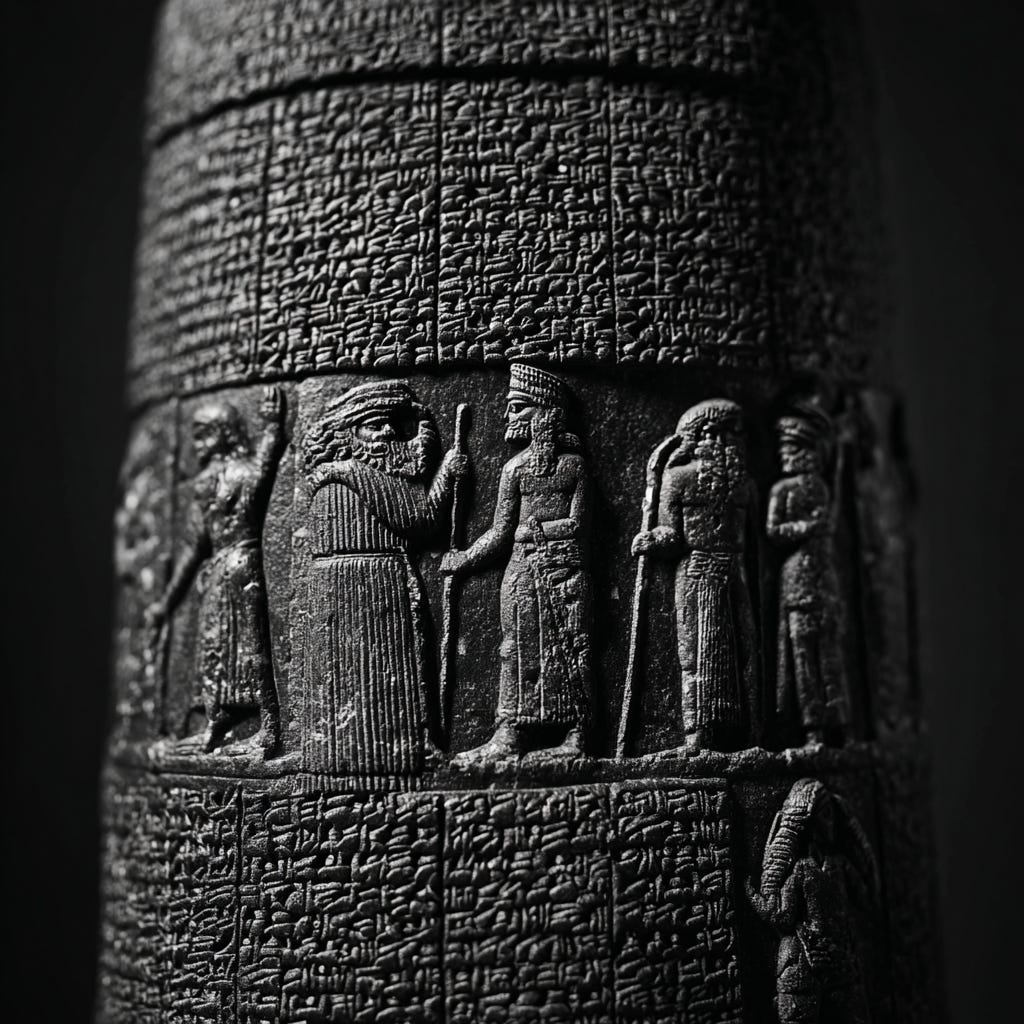
Memory Overload
As societies grew, the human brain couldn’t store all the data (taxes, debts). This led to the invention of writing and numbers, which forever changed how humans process information.

There is No Justice in History
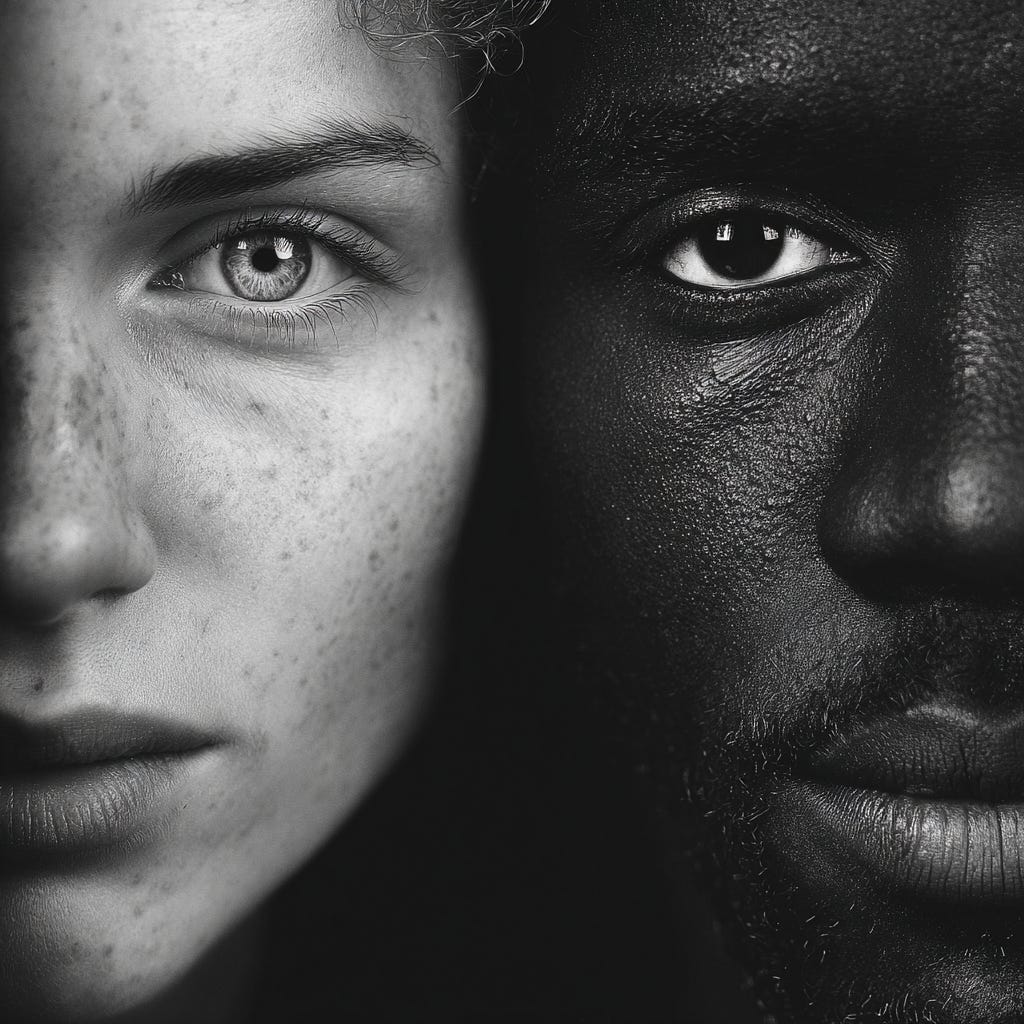
Most large-scale human cooperation is based on hierarchies. Harari argues that distinctions like “rich/poor”, “white/black”, or “man/woman” are social constructs, not biological truths, used to maintain power.
Part 3: The Unification of Humankind
The Global Vision: History has a clear direction, moving towards a single, global society. Harari identifies three “universal order” drivers.
The Arrow of History
Culture is always in flux. The “arrow” of history points towards unity, not fragmentation.
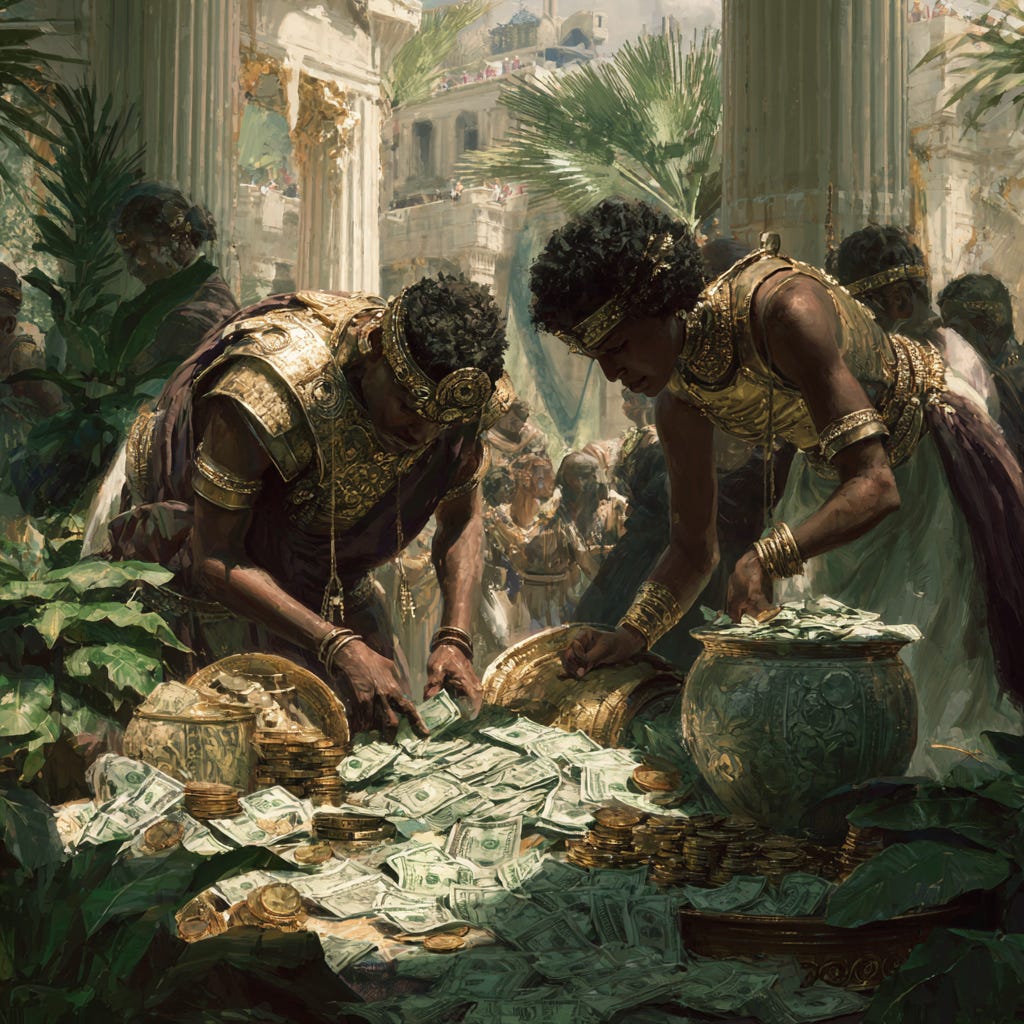
The Scent of Money
Money is the most successful shared myth ever. Its the only trust system that can bridge any cultural or religious gap.
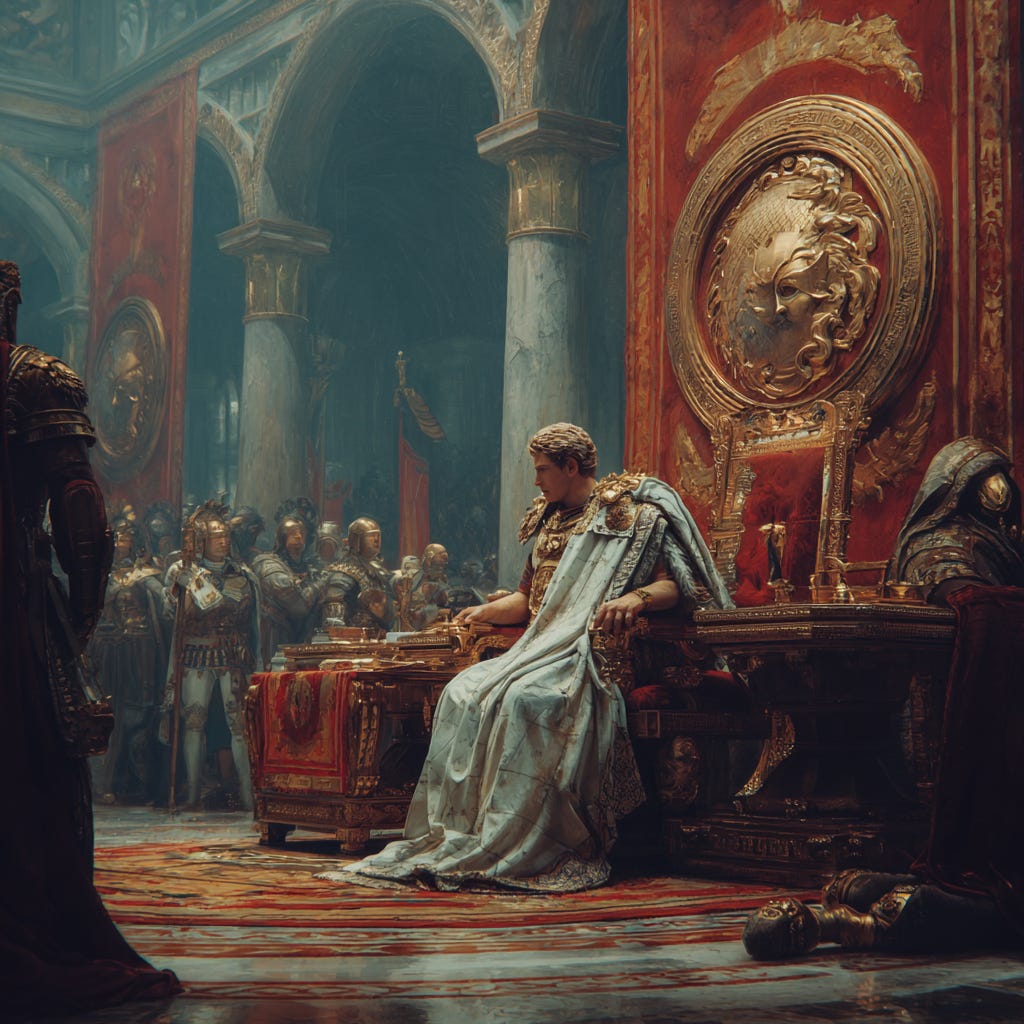
Imperial Visions
While often brutal, empires unified diverse people under a single culture and legal system, creating the foundations for the modern world.
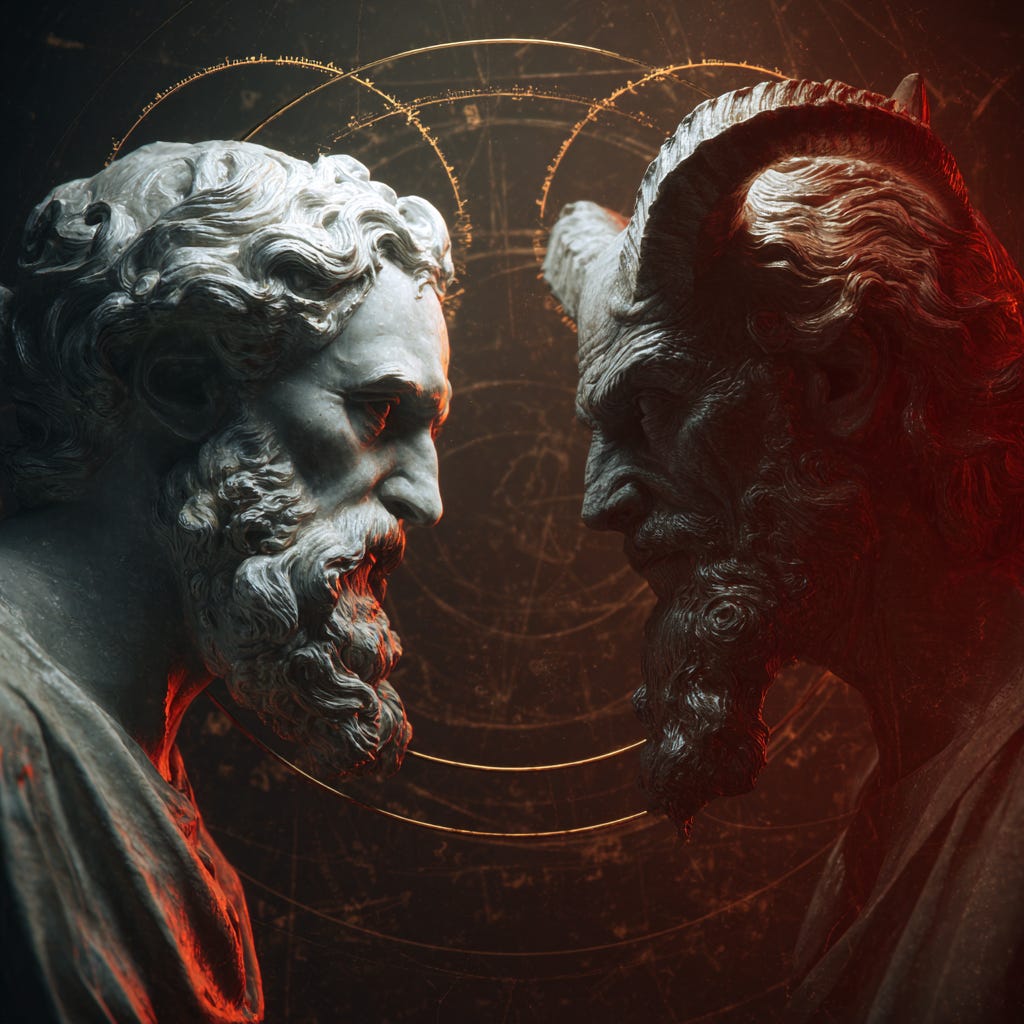
The Law of Religion
Religion gives superhuman legitimacy to our fragile social structures. Harari traces the evolution from Animism to Polytheism, Monotheism, and finally dualism (Good vs. Evil).
The Secret of Success
History is not “deterministic”. We can explain how things happened, but we can’t explain why it had to be that way instead of another.
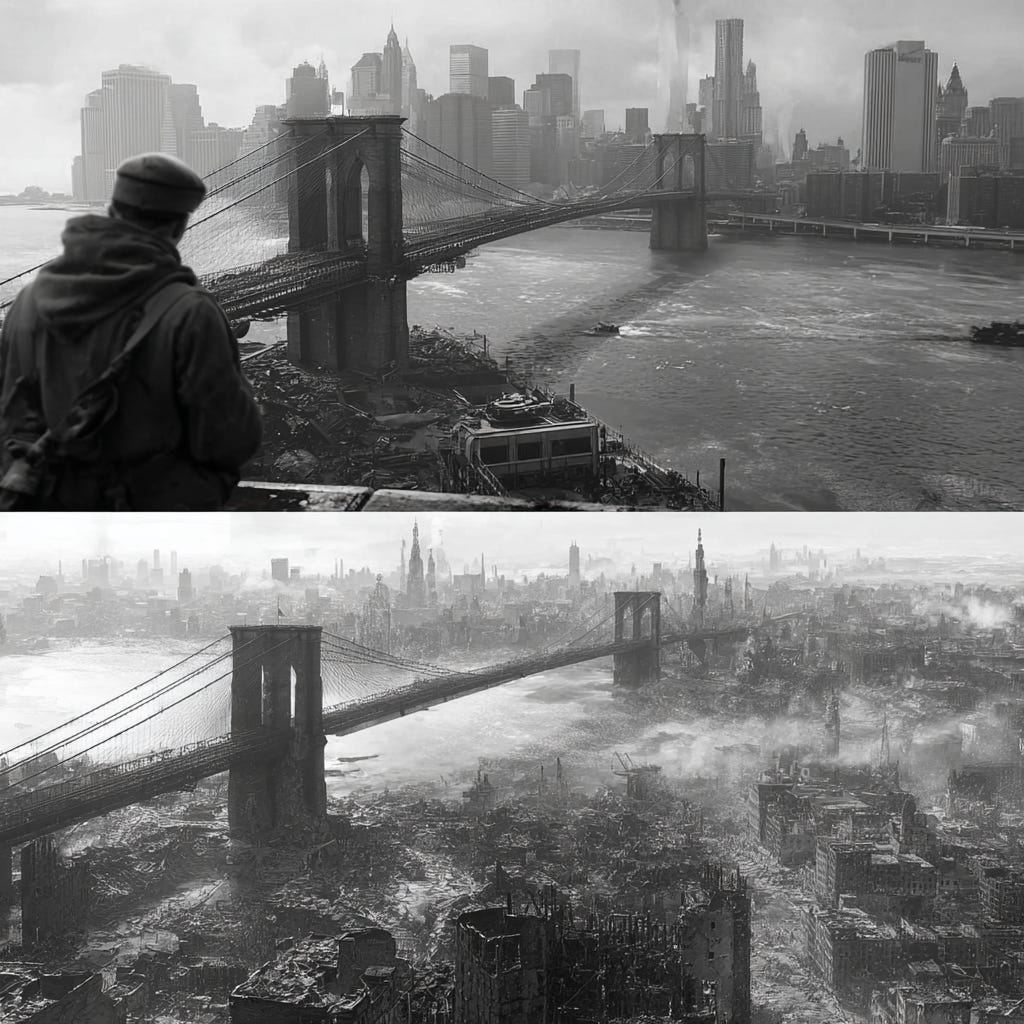
Part 4: The Scientific Revolution
500 years ago humans admitted they didn’t know everything, which gave them the power to change the world.
The Discovery of Ignorance
Modern science differs from older traditions because it admits ignorance, uses maths/observation, and seeks new powers (technology).
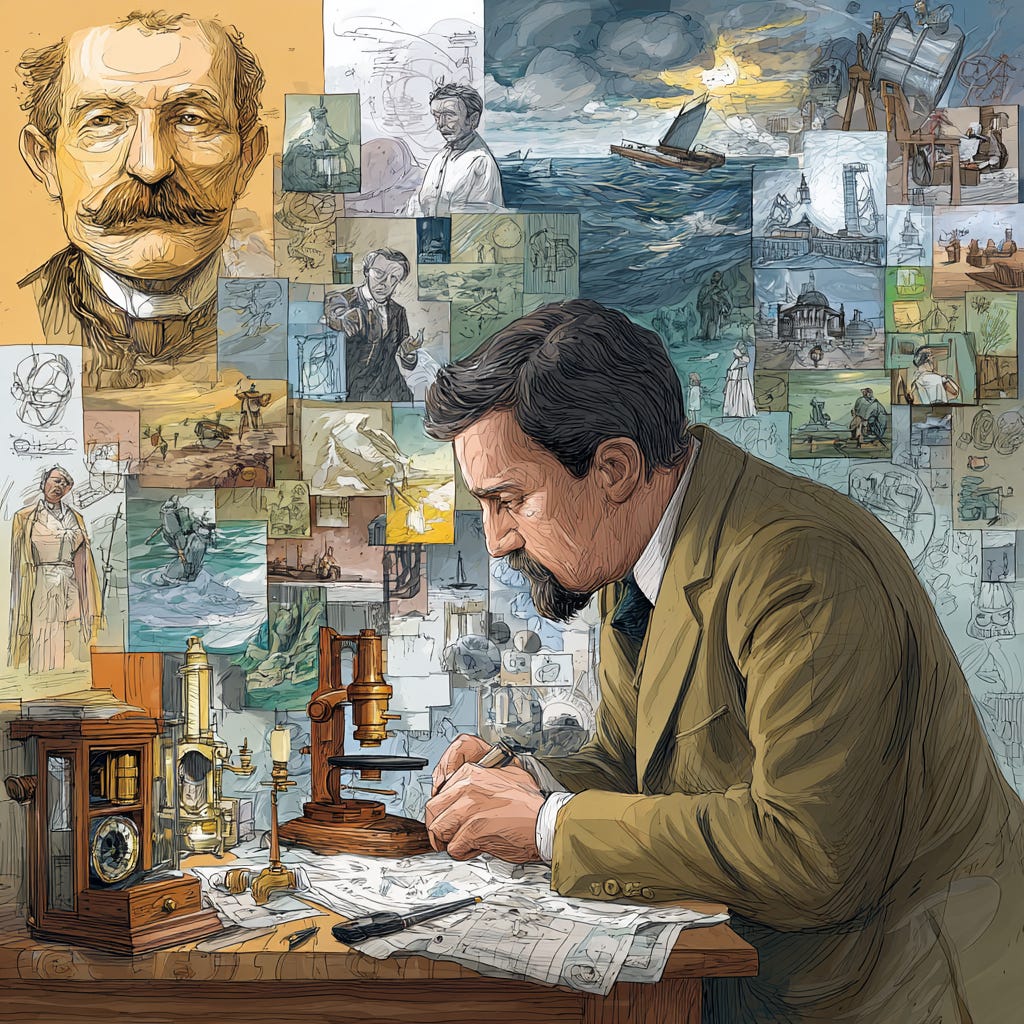
The Marriage of Science and Empire
European empires conquered the world because they sought knowledge along with territory. Science provided the maps and medicines, empires provided the funding.
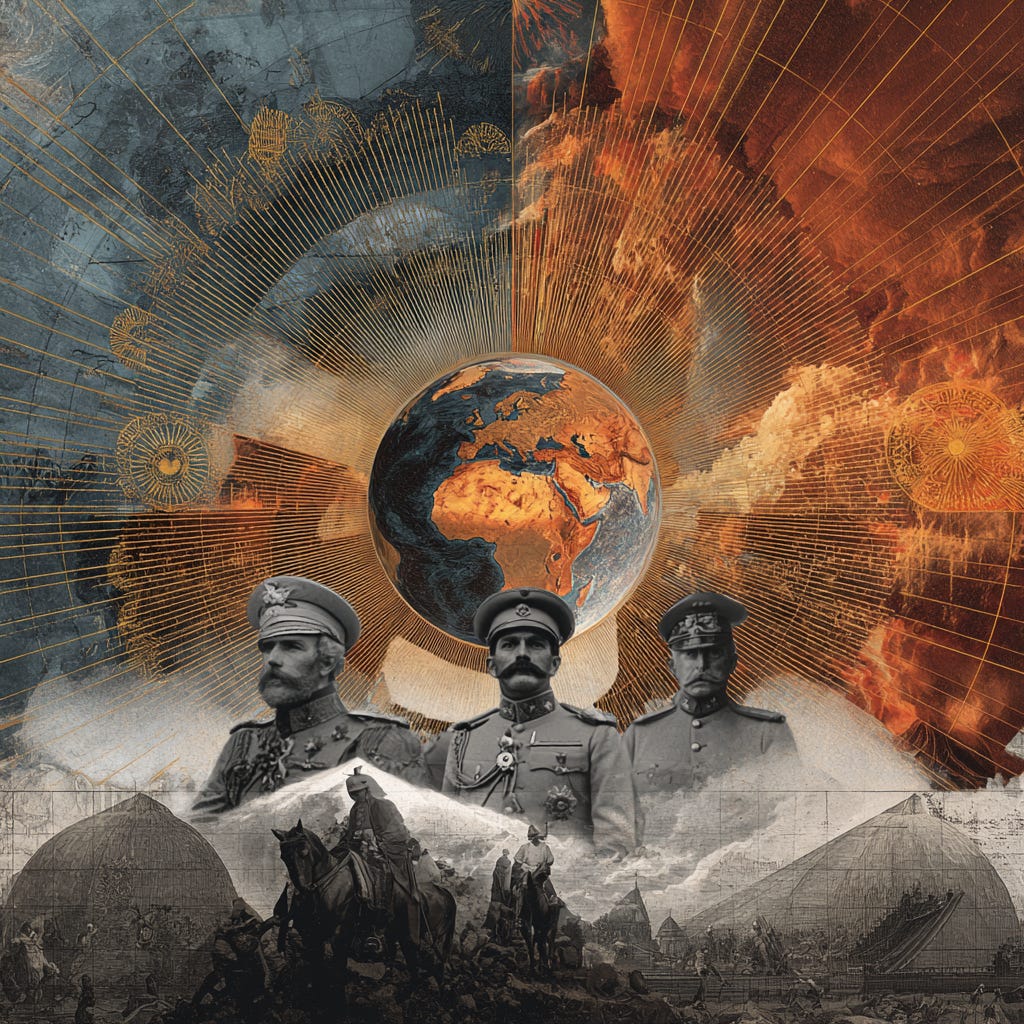
The Capitalist Creed
Capitalism is based on a new myth: Credit. By believing in the future, we can grow the “pie” of the economy, though this often comes at the expense of social equality and the environment.

The Wheels of Industry
The industrial Revolution converted energy (steam, electricity) into a seemingly infinite resource, leading to the rise of consumerism.

A Permanent Revolution
Modern life is characterised by the collapse of the family/community and their replacement by the State and the Market.
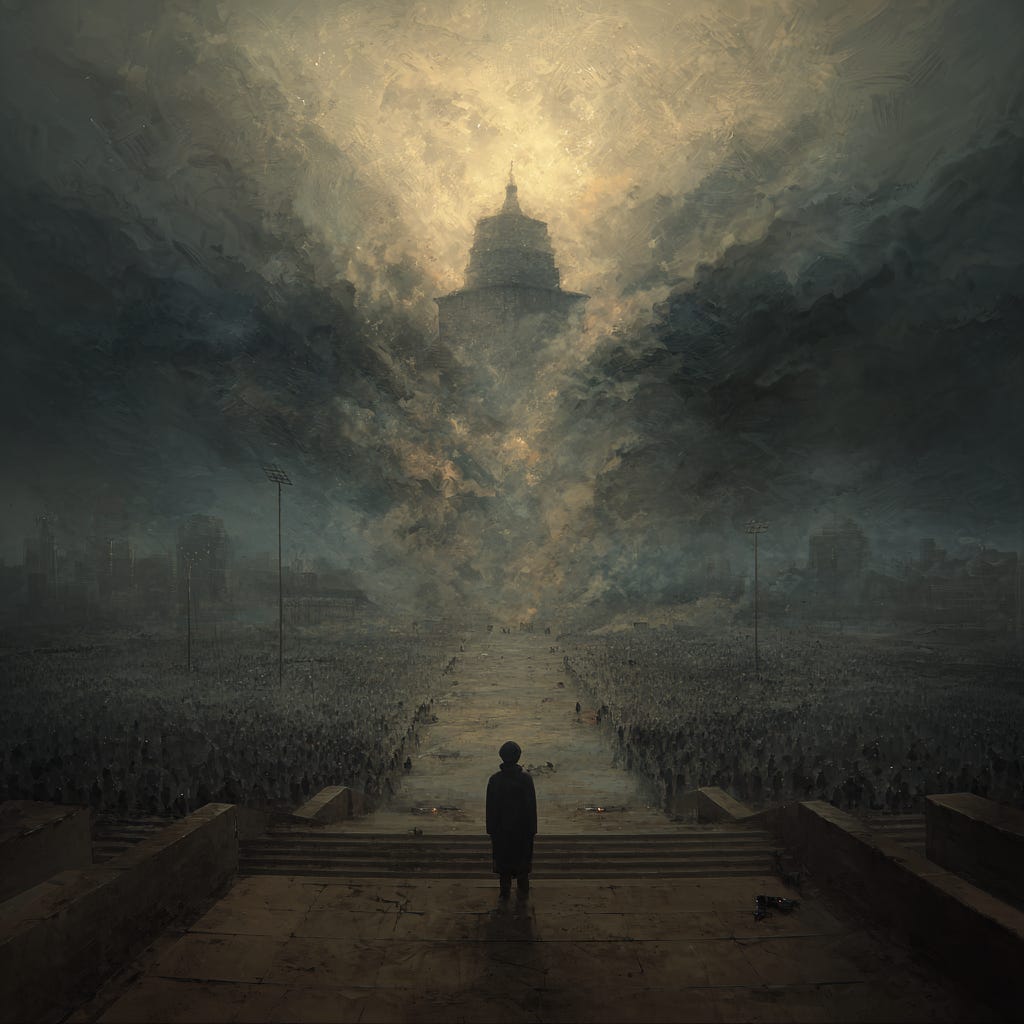
And They Lived Happily Ever After
Harari asks the ultimate question: Are we happier?
Biologically, our chemistry hasn’t changed much since the Savannah, suggesting our massive power hasn’t necessarily increased our well-being.
The End of Homo Sapiens
We are now moving from Natural Selection to Intelligent Design. Through genetic engineering and AI, we may soon create a new species, effectively ending the era of Sapiens.